
A client in Almaty, Kazakhstan recently commissioned a bronze equestrian statue depicting a historical figure on horseback, dressed in a traditional robe and fur-trimmed hat. Rather than beginning with hand-sculpted clay, the project started with a highly detailed 3D digital model, built using sculpting software that allows the artist to refine anatomy, drapery, and facial expression with far greater precision and speed than traditional clay modeling alone. This digital-first approach has become increasingly common for large figurative bronze commissions, since it allows both the manufacturer and the client to review and revise the design extensively before any physical material is committed.
Using a digital model at this stage does not skip traditional sculpting skill. The artist still applies the same understanding of anatomy, fabric behavior, and historical costume detail that a clay sculptor would use, but the digital format makes it possible to rotate the model freely, zoom into fine details like facial wrinkles or embroidery patterns, and export turntable video for client review, all without the fragility risk of working clay.
Equestrian monuments depicting historical figures are judged heavily on whether the costume, posture, and horse anatomy feel authentic. For this commission, the sculpting team researched traditional dress details, including the layered robe, the fur-lined hat, and the riding boots, to ensure the digital model reflects a historically grounded appearance rather than a generic mounted figure.
Once a bronze statue is cast, correcting proportions, facial detail, or drapery is extremely limited and often impossible without significant rework. This makes the digital modeling stage the single most important checkpoint in the entire production process. Every revision the Almaty client requests, whether adjusting the angle of the reins, the tilt of the figure's head, or the texture of the horse's mane, is far easier and less costly to make on a digital file than on cast bronze.
Rather than sending only static images, the sculpting team provided a turntable video of the digital model, allowing the client to view the statue from every angle, including close-up passes on the face, hands, and saddle detail. This method gives a far more accurate impression of the final piece than photographs alone, since a static image can hide proportion issues that only become visible when the model is viewed in motion or from an unexpected angle.
| Review Method | Advantage |
| Static renders | Quick reference for overall composition |
| Turntable video | Full 360-degree proportion and detail check |
| Close-up detail passes | Confirms facial expression and costume texture |
| Client markup notes | Precise revision requests tied to specific angles |
This back-and-forth review typically continues through several rounds until the client formally approves the model, at which point it becomes the reference file for the next stage of physical production.
Once the digital model is finalized, it typically moves toward CNC milling or 3D printing to produce a physical master pattern at or near full scale. This master pattern is then used to create a mold, most often through a lost-wax casting process for a piece of this complexity, which allows every sculpted detail, from robe folds to the horse's muscle definition, to transfer faithfully into the final bronze casting.
For a client in Almaty working with an overseas manufacturer, the digital modeling stage offers a practical benefit beyond design accuracy: it allows detailed remote review without requiring travel or physical prototypes to be shipped back and forth. Every revision can be reviewed on screen, discussed, and confirmed before any mold-making or metal casting begins, reducing both cost and lead time compared to a purely traditional clay-based workflow.
This approach also gives the client confidence that the historical details they care about most, whether the accuracy of the traditional costume or the specific pose of the mounted figure, are locked in before the far more difficult and costly casting stage begins. For equestrian monuments intended for long-term public or ceremonial display, this level of pre-casting scrutiny is what ultimately determines whether the finished bronze statue meets the standard expected of a lasting historical monument.
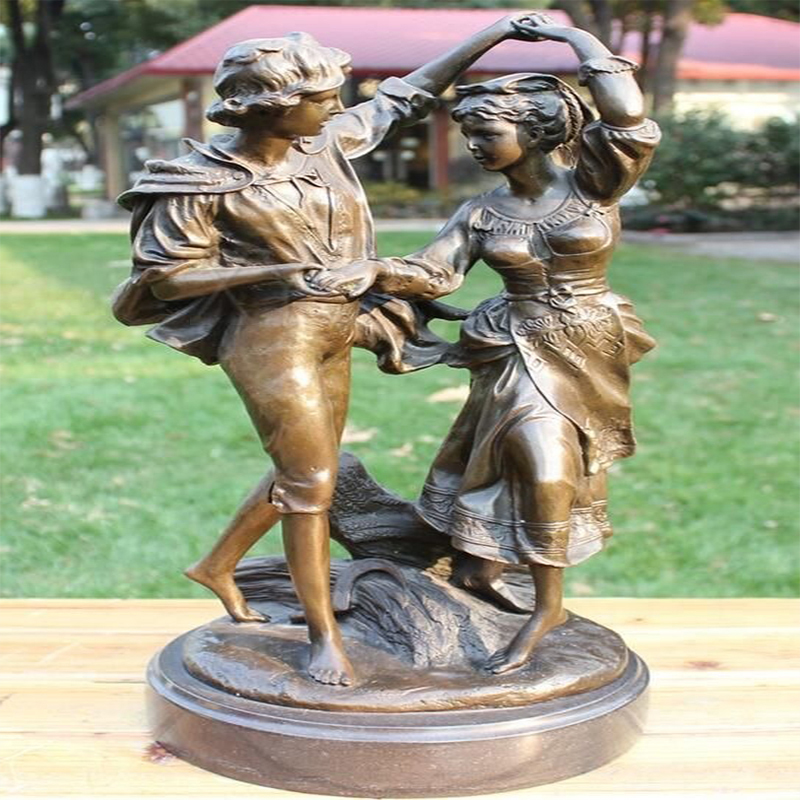 Dansande parskulptur i naturlig storlek i brons – hjärtfigur för parkdekoration
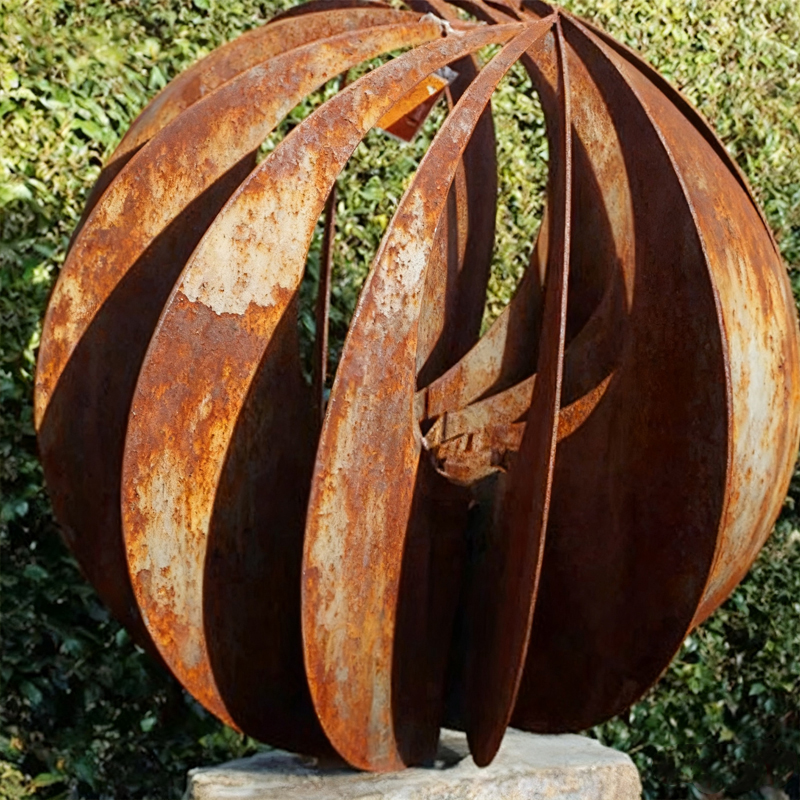 Dekorativ skulptur i ihåligt mönster av sfärisk vittring av stål
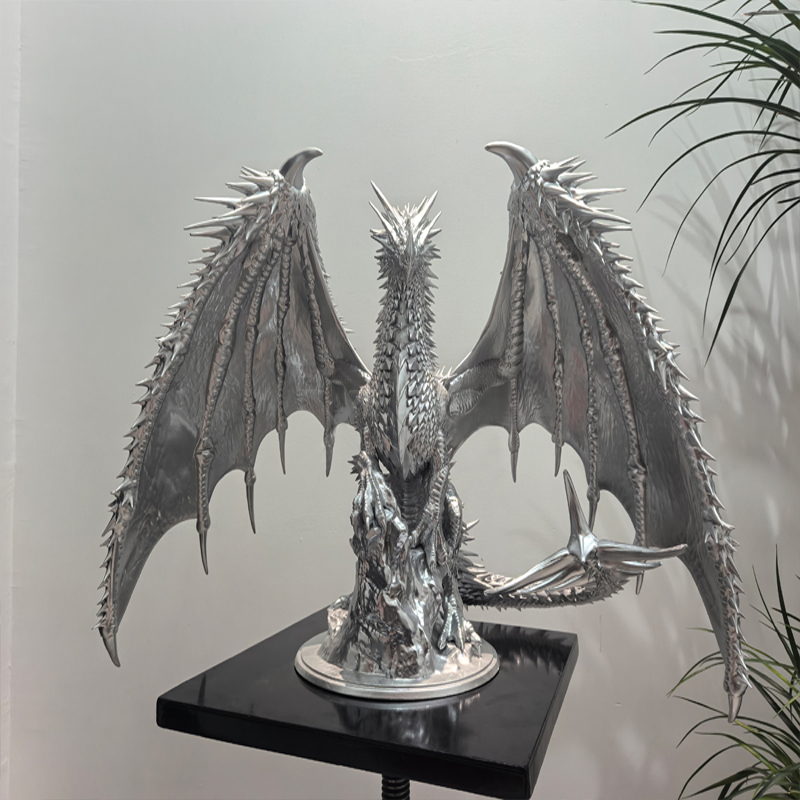 Människoskulptur i glasfiber i gargoylestil
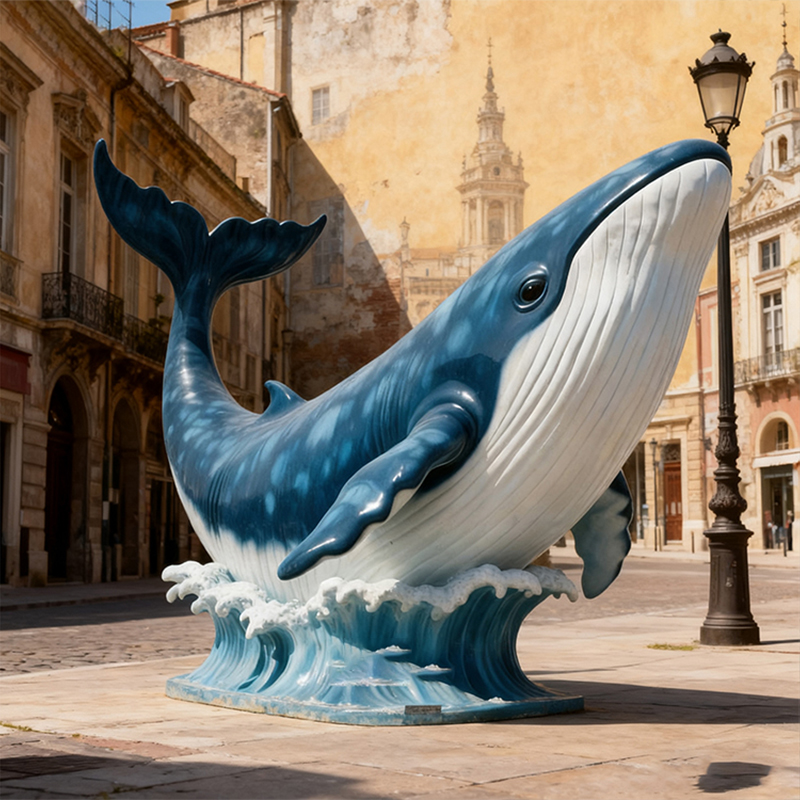 Skulptur av blåval i glasfiber
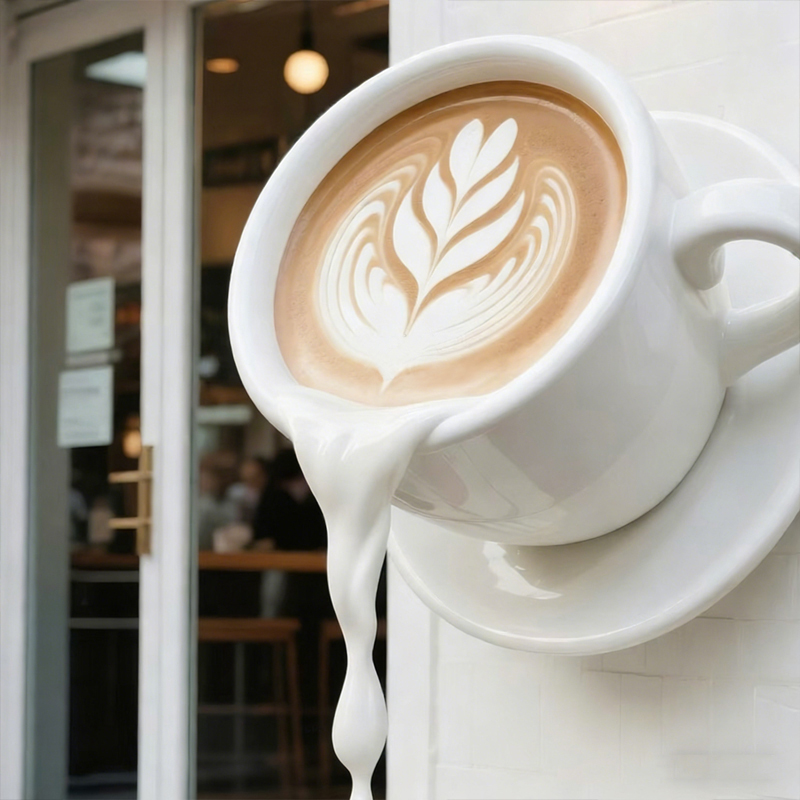 Glasfiber flytande kaffekopp dekorativ skulptur
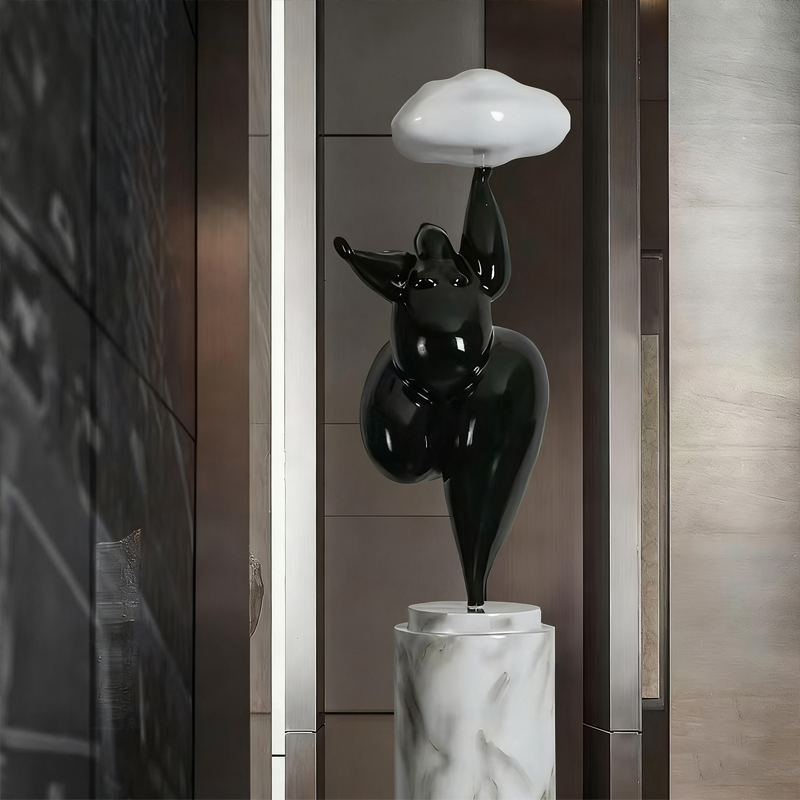 Molnlyftande dekorativ dekorativ skulptur i glasfiber



Daniel H.

Amanda R.

Robert B.

Jennifer S.

James W.

Barry G.

Michael T.

Emily K.

David L.

Sarah M.


Mikey XV

Jagxue
